Makichan: The Complete Guide to the Viral Japanese Mascot
By Sophia Dalton
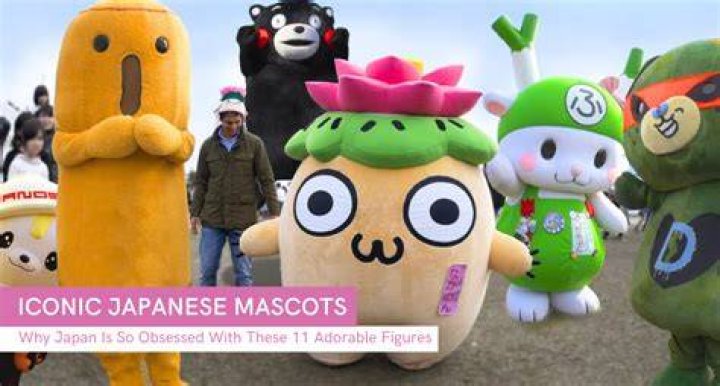
In the sprawling, ever-changing landscape of Japanese internet culture, few phenomena capture the public imagination quite like a well-designed mascot. But every so often, a character emerges that transcends its niche, becoming a genuine cultural touchstone. Makichan is one such figure. She isn't just a cute face; she represents a fascinating intersection of character branding, social media virality, and the deep-rooted Japanese affection for yuru-chara (mascot characters). This article provides a comprehensive, factual look at Makichan, exploring her origins, her rise to fame, and the reasons behind her enduring appeal. We will cut through the noise and examine what makes this character tick, from her design philosophy to her impact on merchandise and online communities.
Who Is Makichan? Defining the Viral Mascot
At its core, Makichan is a Japanese mascot character, but reducing her to just that misses the point. She is a digital-native creation, born and bred for the age of social media. Unlike corporate mascots designed for a specific product or prefecture, Makichan’s identity is more fluid, often tied to a specific online persona or a series of viral videos. Her design is deliberately simple, often featuring large, expressive eyes, a soft color palette, and a gentle, sometimes melancholic, expression. This simplicity is a strategic strength. It makes her instantly recognizable, easy to reproduce in fan art, and highly adaptable to different contexts—from reaction images to animated shorts.
The name "Makichan" itself is a term of endearment, using the honorific "-chan" which is commonly used for children, close friends, or cute characters in Japanese. This immediately establishes a sense of familiarity and affection. She is not a distant celebrity; she is a friend. This perceived closeness is a key driver of her popularity. Fans feel a personal connection, which fuels engagement and sharing. The character’s backstory, when it exists, is often kept deliberately vague, allowing fans to project their own interpretations and emotions onto her. This open-endedness is a hallmark of successful modern internet characters.
The Origin Story: Where Did Makichan Come From?
Pinpointing the exact origin of Makichan can be tricky, as is often the case with viral internet phenomena. Unlike a studio-produced anime character with a clear debut date, Makichan likely emerged from the fertile grounds of Japanese image boards, social media platforms like Twitter (now X) and Instagram, or video-sharing sites like Nico Nico Douga and YouTube. The earliest known appearances often involve short, looping animations or static illustrations shared within niche communities. These early posts were not necessarily intended for mass consumption, but their charm and relatability quickly caught on.
The character’s creator, often remaining anonymous or using a pseudonym, tapped into a specific aesthetic. It’s an aesthetic that blends the kawaii (cute) culture of Sanrio characters like Hello Kitty with a touch of the surreal or melancholic humor found in works like those of Yoshitomo Nara. This combination is potent. It allows Makichan to be both adorable and emotionally resonant. The early viral spread was organic, driven by word-of-mouth and the simple act of sharing a funny or touching image. There was no massive marketing campaign; the character’s appeal did the work.
Makichan and the Yuru-Chara Phenomenon
To truly understand Makichan, one must place her within the broader context of Japan’s yuru-chara culture. Yuru-chara, short for yurui mascot character, refers to the countless cute, often clumsy, and endearing mascots created by local governments, companies, and organizations across Japan. Think of Kumamon from Kumamoto Prefecture or Funassyi from Funabashi. These characters are designed to promote tourism, products, or regional pride. Makichan shares many of their visual traits—simplicity, cuteness, and a slightly awkward charm—but she operates in a different sphere.
Makichan is a digital yuru-chara. She doesn’t have a physical prefecture to promote. Her "region" is the internet itself. This gives her a unique freedom. She can be adapted to any trend, any meme, any emotional state. While a real-world yuru-chara might be tied to a specific local festival or product launch, Makichan can appear in a reaction GIF about Monday mornings or a comforting image for someone feeling lonely. This versatility is her superpower. She embodies the spirit of yuru-chara—the gentle, non-threatening cuteness—but without the geographical or commercial constraints.
Key Differences from Traditional Mascots
The distinction is important. Traditional mascots like Hello Kitty are corporate brands with strict licensing and a carefully managed image. Makichan, in contrast, often exists in a more open, fan-driven ecosystem. While official merchandise exists, a significant portion of her presence is generated by fans creating and sharing their own content. This grassroots approach builds a stronger, more authentic community. It also means the character evolves organically, with new interpretations and styles emerging constantly. This is a fundamentally different model of character ownership and propagation.
The Visual Language of Makichan: Design and Aesthetics
The design of Makichan is deceptively simple, but every element is carefully chosen. The large, round eyes are a direct line to the viewer’s emotions, a technique perfected in anime and manga. They convey innocence, curiosity, and a wide range of subtle feelings. The mouth is often small or absent, which forces the expression to be carried by the eyes and body language. This minimalist approach is highly effective for creating relatable, meme-able content. A slight tilt of the head, a drooping ear, or a tiny tear can communicate volumes.
The color palette is another crucial component. Soft pastels—pinks, lavenders, light blues, and creams—dominate. These colors are universally associated with gentleness, comfort, and childhood. They create a safe, non-threatening visual space. The character’s proportions are also key. A large head relative to the body, a trait known as neoteny, triggers an innate caregiving response in humans. We are biologically programmed to find such proportions cute and worthy of protection. Makichan’s design is a masterclass in applied psychology, using visual cues to foster affection and attachment.
Why Did Makichan Go Viral? The Mechanics of Spread
Virality is rarely accidental, and Makichan’s success can be attributed to several key factors. First, her design is inherently shareable. A single image can convey a complex emotion—joy, sadness, confusion, exhaustion—without a single word. This makes her perfect for reaction memes, a cornerstone of modern internet communication. Second, her content is highly relatable. Many of the most popular Makichan posts depict everyday struggles: the dread of Monday mornings, the comfort of a warm drink, the feeling of being overwhelmed. This relatability creates an instant bond with the viewer.
Third, the character benefits from the network effects of social media platforms. A user sees a Makichan meme, finds it amusing or comforting, and shares it with their followers. Those followers do the same. The cycle repeats. The anonymity of the original creator also helps. The focus remains entirely on the character and the emotion she represents, rather than on a specific personality or brand. This allows the meme to be adopted and adapted by anyone. It becomes a shared cultural shorthand, a visual language that transcends linguistic and cultural barriers.
Makichan Merchandise and Commercial Success
While Makichan started as a grassroots phenomenon, commercial success was almost inevitable. The demand for physical goods—plushies, stickers, phone cases, apparel—was driven by the same emotional connection that fueled her online virality. Fans wanted to own a piece of that comfort. The merchandise, when it appears, often mirrors the character’s aesthetic: soft, high-quality, and designed to be a source of daily comfort. A Makichan plushie isn’t just a toy; it’s a tangible representation of a feeling.
The commercial model is interesting. Unlike major franchises with massive licensing deals, Makichan merchandise often appears through smaller, independent creators or limited-run collaborations. This scarcity can drive demand. It also maintains the character’s indie, authentic feel. There is a careful balance to strike. Over-commercialization could easily kill the charm that made her popular in the first place. The most successful ventures have been those that feel like a natural extension of the character’s world, rather than a cynical cash grab. This includes collaborations with lifestyle brands that share a similar aesthetic.
Criticisms and Controversies Surrounding Makichan
No internet phenomenon is without its detractors, and Makichan is no exception. Some critics argue that the character represents a form of cultural oversimplification, reducing complex emotions to a cute, marketable image. Others point to the potential for over-commercialization, fearing that the character’s organic charm will be eroded by relentless marketing. There are also discussions about the nature of online fandom. The intense emotional attachment some fans develop can sometimes lead to possessive or exclusionary behavior within communities.
Another point of contention is the lack of clear attribution. The anonymity of the creator, while beneficial for virality, can also lead to issues of ownership and credit. Unauthorized use of the character for commercial purposes is a real concern. Furthermore, the character’s very simplicity can be a double-edged sword. While it allows for broad appeal, it can also be seen as lacking depth or substance. Critics might argue that Makichan is a fleeting trend, a hollow vessel for emotion that will be forgotten when the next cute character appears. These are valid points that highlight the inherent tensions in viral internet culture.
Makichan vs. Other Popular Internet Mascots
How does Makichan stack up against other internet-famous mascots? A comparison is illuminating. Let’s look at a few key examples.
| Character | Origin | Primary Appeal | Commercial Model | Key Difference from Makichan |
|---|---|---|---|---|
| Makichan | Japanese internet (image boards, social media) | Relatability, emotional comfort, simple cuteness | Grassroots, fan-driven, limited collaborations | Focus on emotional expression and meme-ability |
| Kumamon | Kumamoto Prefecture, Japan | Regional pride, tourism promotion, humor | Official government licensing, widespread merchandise | Tied to a specific geographic location and official purpose |
| Funassyi | Funabashi City, Japan | High-energy, chaotic humor, unique voice | Official city mascot, extensive media appearances | Extremely loud and active personality vs. Makichan’s gentle calm |
| Gudetama | Sanrio (corporate creation) | Relatable laziness, existential humor, food theme | Major corporate franchise, global merchandise | Corporate origin and explicit theme of laziness vs. broader emotional range |
| Nyan Cat | Internet meme (animated GIF) | Nostalgia, absurdity, catchy music | NFTs, merchandise, licensing | Purely a meme with no developed character or emotional depth |
This table shows that while Makichan shares DNA with other characters, her niche is distinct. She occupies a space between the corporate polish of Sanrio and the chaotic energy of a pure meme. Her strength lies in her emotional versatility and her organic, community-driven growth.
The Future of Makichan: Trends and Predictions
Predicting the future of any internet trend is a fool’s errand, but we can identify some likely trajectories for Makichan. One possibility is continued organic growth, with the character becoming a permanent fixture in the lexicon of online reaction culture. She could evolve into a timeless symbol, much like the smiley face or the kappa emoji. Another path involves more formal commercialization. We might see official animated shorts, a dedicated mobile game, or even a Netflix series. The key will be maintaining the character’s core appeal while scaling up.
The rise of AI-generated content also presents both opportunities and threats. AI tools could be used to create endless variations of Makichan, potentially diluting her unique charm. Conversely, they could empower fans to create even more sophisticated and personalized content, deepening engagement. The community’s response to these technological shifts will be crucial. The most likely future is a hybrid one: Makichan will continue to thrive in grassroots online spaces while also making carefully managed forays into mainstream media and merchandise. Her longevity will depend on the community’s ability to protect her from overexposure while embracing new creative possibilities.
How to Find and Engage with the Makichan Community
For those new to the phenomenon, finding the Makichan community is relatively straightforward. The primary hubs are social media platforms. On Twitter (X), searching for the hashtag #まきちゃん (Makichan in Japanese) or #Makichan will yield a constant stream of fan art, animations, and discussions. Instagram is another rich source, particularly for high-quality illustrations and merchandise photos. Niche communities also exist on platforms like Pixiv, a Japanese art community, and Discord servers dedicated to Japanese pop culture.
Engaging with the community requires a degree of cultural sensitivity. While the character is welcoming, the community has its own norms and etiquette. It is generally good practice to credit artists when sharing their work. Avoid using the character for offensive or commercial purposes without permission. The best way to engage is simply to appreciate and share the content you enjoy. Liking, commenting, and reposting are the lifeblood of the community. For those who are artistically inclined, creating your own fan art is the highest form of participation. The community thrives on creativity and shared affection for the character.
Frequently Asked Questions About Makichan
What does "Makichan" mean?
"Makichan" is a Japanese name combined with the honorific "-chan," which is used to express endearment, typically for children, close friends, or cute characters. The name itself is often chosen for its soft, pleasant sound.
Is Makichan a real person or a fictional character?
Makichan is a fictional mascot character. She is a digital creation, typically depicted in illustrations, animations, and reaction memes. She does not represent a real person.
Who created Makichan?
The original creator of Makichan is often anonymous or uses a pseudonym. This anonymity is common in internet meme culture and allows the character to be adopted and adapted by the community without a single point of control.
Where can I buy official Makichan merchandise?
Official merchandise is often sold through limited-time collaborations, independent online stores, or platforms like Etsy and Japanese marketplaces. Availability can be sporadic. It is best to follow fan accounts and community forums for announcements about new merchandise drops.
Why is Makichan so popular?
Her popularity stems from a combination of factors: a universally appealing cute design, high relatability (she often depicts common emotions and situations), and the organic, shareable nature of her content on social media. She serves as a visual shorthand for complex feelings.
Is Makichan related to any company or brand?
Makichan is not officially tied to a major corporation like Sanrio or a prefectural government. She is a grassroots internet phenomenon. While she may collaborate with brands, her identity remains independent and community-driven.
The Enduring Appeal of a Simple Character
In a digital world that is often noisy, chaotic, and demanding, Makichan offers a moment of quiet. She is a visual sigh of relief. Her appeal is not complicated. It is rooted in the most basic human need for connection, comfort, and understanding. She validates our feelings, whether they are happy, sad, or just tired. This is why she has resonated with so many people across different cultures and languages. She is a mirror for our own emotions, rendered in soft pastels and big, empathetic eyes.
Makichan is more than just a passing fad. She is a case study in how modern internet culture creates, shares, and sustains meaning. She demonstrates that a character does not need a complex backstory or a multi-million dollar marketing budget to become a beloved icon. Sometimes, all it takes is a simple, well-designed face that makes you feel a little less alone. As long as people seek comfort and connection online, characters like Makichan will continue to find a home in our hearts and our feeds. Her legacy is a testament to the power of simplicity, community, and the universal language of cuteness.