K-Pop 爆乳: The Controversial Trend of Revealing Fashion in the Industry
By Leah Mitchell
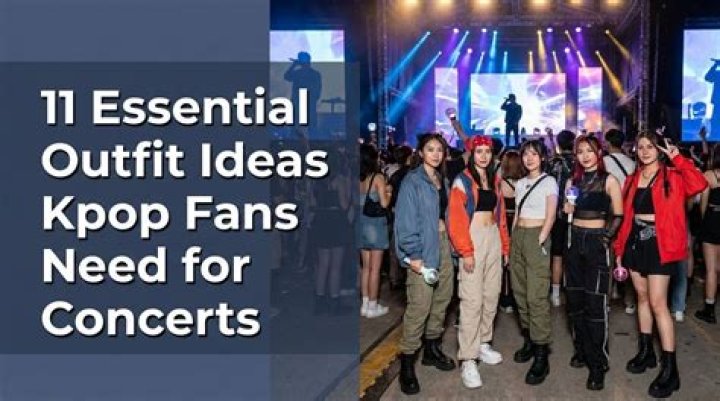
It is a phrase that has sparked countless online debates, fueled fan forums, and even drawn the attention of conservative media outlets. "Kpop 爆乳" — literally translating to "K-pop bursting chest" — refers to the increasingly common trend of female K-pop idols wearing revealing outfits that accentuate or expose the bust area. But this is not merely a fashion choice. It is a complex intersection of aesthetics, marketing, fan service, and cultural tension. To understand why this trend exists and what it means, one must look beyond the stage lights and into the very mechanics of the K-pop industry.
The term itself is a blunt descriptor. It does not carry the nuance of "sexy" or "glamorous." Instead, it is direct, almost clinical, focusing on the physical result of a particular style of clothing. And that directness reflects a reality: the outfits are designed to be noticed. But who is demanding them? And at what cost to the artists themselves?
The Origins of the 爆乳 Aesthetic in K-Pop
The roots of this trend are not found in a single moment but in a gradual shift. Early K-pop, particularly in the 1990s and early 2000s, was heavily influenced by American pop and R&B. Outfits were often coordinated, colorful, and modest by today's standards. Think of groups like S.E.S. or Fin.K.L — their stage wear was stylish but rarely provocative.
The turning point came with the rise of "girl crush" concepts and the global influence of artists like Hyuna and later groups like Girls' Generation. As the industry matured, so did the marketing strategies. Agencies realized that sex appeal sold. It was not just about the music anymore; it was about the visual package. The "爆乳" look became a tool — a way to generate buzz, attract male fans, and dominate search engine results with eye-catching photos.
The Role of "Skinship" and Fan Service
In K-pop, the concept of "fan service" is deeply ingrained. Idols are expected to interact with fans in ways that go beyond music. This includes aegyo (cute acting), personal messages, and, yes, revealing fashion. The 爆乳 trend is an extension of this. It is a visual promise — a way for agencies to say, "Look at what we are offering you."
But there is a fine line. When does fan service become exploitation? When does a fashion choice become a demand? Many idols have spoken privately about the pressure to maintain a certain image. The outfits are often chosen by stylists, not the artists themselves. And while some idols embrace the look, others are clearly uncomfortable, their body language betraying the tension between the persona and the person.
Industry Standards: Who Wears What and Why
Not all K-pop groups adopt the 爆乳 aesthetic. It is heavily concentrated in certain sub-genres and concepts. Groups with a "sexy" or "mature" concept — such as AOA, Stellar, or Nine Muses — have historically pushed the boundaries further. In contrast, groups with a "cute" or "innocent" concept, like TWICE in their early years or Oh My Girl, tend to avoid such revealing outfits.
The decision is rarely artistic. It is commercial. Agencies analyze data — which photos get the most clicks, which fancams go viral, which outfits generate the most discussion. The 爆乳 look is a proven formula for attention. But it also carries risks. Overexposure can lead to backlash, censorship from broadcasters, and even legal issues in conservative markets.
Broadcaster Regulations and Self-Censorship
South Korean broadcasters like KBS and MBC have strict guidelines regarding indecent exposure. Outfits that are too revealing can be edited out or banned from music shows. This has led to a peculiar cat-and-mouse game. Agencies design outfits that are just within the legal limits, pushing the envelope without crossing the line. The result is a constant negotiation between what is allowed and what is desired.
Some groups have even been forced to change outfits mid-promotion due to public outcry. This highlights a key tension: the industry wants the attention that 爆乳 brings, but it also fears the consequences. The balance is precarious.
Fan Reactions: Divided and Vocal
The fan community is far from monolithic. On one side, there are fans who celebrate the trend. They argue that idols are adults who can choose what to wear, and that criticizing their outfits is a form of slut-shaming. They point to the confidence and stage presence of idols who rock revealing looks.
On the other side, there are fans who express concern. They worry about the objectification of idols, the pressure on young trainees, and the message it sends to younger audiences. Some have even organized boycotts or launched online campaigns demanding more modest outfits. The debate is heated, and it often spills over into toxic arguments on social media.
The Double Standard for Male and Female Idols
It is impossible to discuss 爆乳 without acknowledging the gender disparity. Male K-pop idols rarely face the same level of scrutiny or pressure to reveal their bodies. While there are "shirtless" moments and muscle-baring outfits, they are typically framed as displays of strength or masculinity, not as primary marketing tools. For female idols, the body is often the product itself.
This double standard is not unique to K-pop, but it is amplified by the industry's intense focus on visual perfection. Female idols are expected to be thin, youthful, and sexually appealing — all at once. The 爆乳 trend is a symptom of this broader expectation.
Cultural Context: South Korea's Conservative Yet Hyper-Sexualized Society
South Korea presents a paradox. It is a country with deeply conservative roots, influenced by Confucian values that emphasize modesty and family. Yet it also has one of the most hyper-sexualized entertainment industries in the world. This contradiction creates a unique pressure cooker.
The 爆乳 trend exists because it sells. But it also exists because it is a form of rebellion — a way for the industry to push against traditional norms. However, this rebellion is often commodified. It is not a genuine expression of liberation but a calculated marketing strategy. The result is a confusing landscape where empowerment and exploitation are intertwined.
The Influence of Western Media and Globalization
K-pop did not develop in a vacuum. The influence of Western pop stars — from Madonna to Britney Spears to modern artists like Cardi B — is undeniable. As K-pop went global, it adopted many of the visual strategies that worked in the West. The 爆乳 look is one of them.
But there is a difference. In the West, artists often have more control over their image. In K-pop, the agency holds the reins. This means that the 爆乳 trend is often imposed from above, rather than chosen from below. It is a product of the system, not the individual.
Health and Psychological Implications for Idols
The pressure to maintain a 爆乳 physique can have serious consequences. Idols are often put on extreme diets and rigorous exercise regimens to achieve the desired look. This can lead to eating disorders, body dysmorphia, and chronic fatigue. The mental toll is equally heavy.
Several former idols have spoken out about the trauma of being judged solely on their appearance. They describe feeling like objects, not artists. The 爆乳 trend, while visually striking, often comes at a human cost that is invisible to the audience.
The Role of Plastic Surgery
It is an open secret that many K-pop idols undergo plastic surgery. Breast augmentation is one of the more common procedures, though it is rarely discussed openly. The 爆乳 aesthetic often relies on surgical enhancement to achieve the dramatic results that fans expect. This adds another layer of complexity — the look is not natural, but manufactured. And the pressure to undergo such procedures can be immense.
Agencies rarely force surgery, but the implicit message is clear: if you want to succeed, you need to look a certain way. The 爆乳 trend is a driver of this demand.
Comparing 爆乳 Trends Across Different K-Pop Generations
| Generation | Example Groups | Typical Outfit Style | Public Reaction |
|---|---|---|---|
| 1st Gen (1990s) | S.E.S., Fin.K.L | Modest, coordinated, colorful | Minimal controversy |
| 2nd Gen (2000s) | Girls' Generation, Wonder Girls | Sexy but controlled, crop tops, short skirts | Growing debate |
| 3rd Gen (2010s) | TWICE, Red Velvet, BLACKPINK | Varied, but 爆乳 becomes more common | Polarized fan reactions |
| 4th Gen (2020s) | aespa, IVE, NewJeans | High fashion, often revealing, but also more diverse | Intense scrutiny and defense |
This table illustrates a clear trajectory. Each generation has pushed the boundaries further, but the backlash has also grown louder. The 爆乳 trend is not static; it evolves with the industry and the audience.
The Business of 爆乳: How Agencies Monetize the Look
From a business perspective, the 爆乳 trend is a goldmine. Photos of idols in revealing outfits generate massive traffic on social media and fan sites. They are shared, reposted, and discussed endlessly. This free publicity is invaluable. Agencies know this, and they design concepts accordingly.
Merchandise, photobooks, and even concert tickets are often marketed using the most provocative images. The 爆乳 look is a sales tool. But it is a double-edged sword. Over-reliance on this strategy can alienate fans who are interested in the music, not just the visuals. It can also lead to a short-lived career, as the novelty wears off.
The Rise of "Self-Producing" Idols and Changing Norms
There is a growing movement within K-pop of idols who take control of their own image. Groups like (G)I-DLE, whose members are involved in songwriting and concept creation, often choose outfits that align with their personal style rather than agency mandates. This shift may signal a future where the 爆乳 trend is less dominant.
However, change is slow. The industry is built on a model of control, and agencies are reluctant to give up that power. The 爆乳 trend will likely persist as long as it remains profitable.
Frequently Asked Questions About K-Pop 爆乳
What does "kpop 爆乳" mean?
It is a Japanese-derived term used in Chinese and Korean online communities to describe K-pop idols wearing outfits that prominently reveal or accentuate the bust area. It literally translates to "bursting chest."
Is the 爆乳 trend forced on idols?
In many cases, yes. Stylists and agencies choose the outfits, and idols often have limited say. However, some idols embrace the look as part of their stage persona. The degree of coercion varies by agency and individual.
Why is this trend controversial?
Critics argue that it objectifies female idols, promotes unrealistic body standards, and exploits young women for profit. Supporters counter that it is a form of personal expression and that idols are adults who can make their own choices.
Which K-pop groups are most associated with the 爆乳 look?
Groups with "sexy" concepts, such as AOA, Stellar, Nine Muses, and some eras of Girls' Generation and SISTAR, are frequently cited. However, the trend appears across many groups to varying degrees.
Has the trend changed over time?
Yes. Early K-pop was more modest. The trend intensified in the 2010s and has continued into the 2020s, though there is now more diversity in concepts. Some newer groups are pushing back against the trend.
What can fans do if they are uncomfortable with the trend?
Fans can voice their opinions respectfully on social media, support groups that prioritize artist comfort, and choose to consume content that aligns with their values. Boycotts and petitions have had limited but notable effects in the past.
The Future of the 爆乳 Trend in K-Pop
Predicting the future of any trend in K-pop is difficult. The industry is notoriously fickle. What is popular today may be forgotten tomorrow. However, several factors suggest that the 爆乳 trend may be reaching a saturation point.
First, there is growing awareness of mental health issues among idols. Second, the global audience is becoming more diverse and vocal about ethical concerns. Third, the rise of self-producing idols offers an alternative model. The trend may not disappear, but it is likely to become less dominant as the industry evolves.
Ultimately, the conversation around kpop 爆乳 is not just about clothing. It is about power, agency, and the value we place on artists as human beings. The outfits will change, but the underlying questions will remain. And those questions deserve thoughtful answers.